
Have you ever wondered how to save money on groceries without sacrificing quality?
Groceries account for a significant share of household expenses in the UAE, consuming nearly 14% of disposable income (GO-Globe). With rising global food prices and heavy dependence on imports—over 80% of produce in the UAE is imported—this share is steadily increasing.
But there’s a hidden cost few households consider: food waste.
In 2019, the UN Environment Programme (UNEP) estimated that 931 million tonnes of food were wasted globally, with 61% of this waste occurring at the household level (UNEP – Food Waste Index Report 2021). Fruits and vegetables are the most commonly wasted foods due to their perishability and short shelf life.
Why do we waste food at home?
- It spoils before we can eat it
- It looks unappetizing—even when still safe
- It sits too long in the fridge and passes its expiry date
- Children refuse it once bruised or overripe
This is not only wasteful—it’s expensive.
For a family with children, the average monthly spend on fresh fruit can reach AED 400. With typical household waste rates around 30%, this means AED 120 of fruit is thrown away every month and this is almost 1500 AED annually.
That’s where freeze-dried fruits come in.
No spoilage.
No refrigeration required.
No waste.
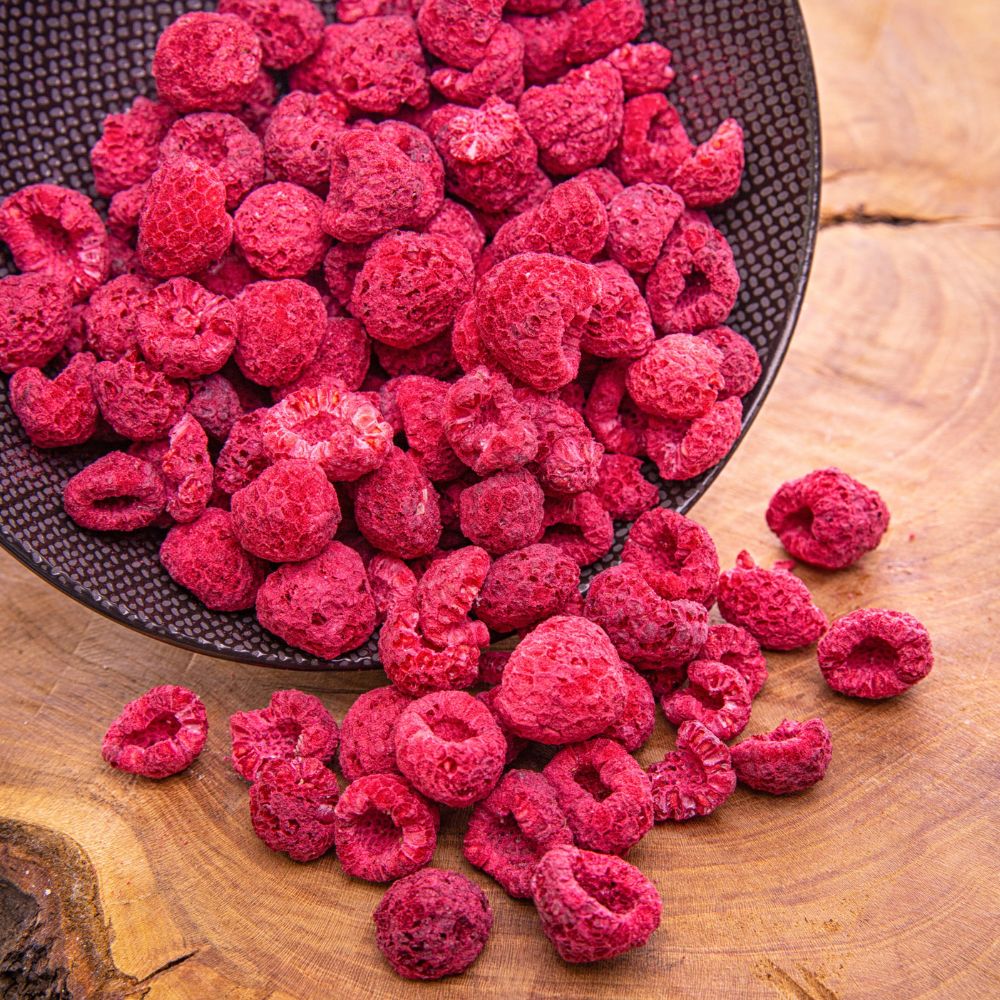
With Zahi Oasis freeze-dried fruits, you get the pure flavor, nutrition, and quality of fresh fruit—without the pressure to consume it before it spoils.
- Freeze-dried at peak ripeness
- Shelf-stable for months after opening
- No additives; 100 percent fruit
- Crisp texture children enjoy; convenience adults appreciate
Whether added to a lunchbox, blended into a smoothie, or used as a healthy snack, Zahi fruits offer a simple way to reduce waste, save money, and make more responsible choices for both your family and the planet.
Each pack of freeze-dried Zahi fruit helps prevent food from going to waste and avoids the release of carbon dioxide emissions associated with spoiled fresh produce.